
Buy Bulk Ammunition by the Case and Save on Every Round
Bulk ammunition is simply cartridges purchased in large quantities—often in cases of 500 to 1,000 rounds—rather than in small retail boxes, and this definition pivots into its core value: it turns shooting from a budget worry into a dependable habit. By buying in volume, you lower the cost per round and ensure you always have enough on hand for practice, training, or range sessions .17 HMR Ammo for Sale without the anxiety of running dry. To use it best, store your bulk ammo in a cool, dry place inside its original sealed packaging to preserve reliability, and rotate your stock so older rounds are used first. Consistent, affordable practice becomes possible when you make bulk ammunition your everyday choice, letting you focus on your skills instead of the price tag.
Why Buying in Volume Actually Saves You Money at the Range
Buying bulk ammunition directly reduces the cost per round, because manufacturers price in bulk tiers—cases of 500 or 1,000 rounds often cut per-cartridge expense by 15–25% compared to boxes of 50. This savings compounds with every trip, since you’re not paying the “convenience tax” of frequent small purchases. Furthermore, volume purchases let you lock in a single lot number, which ensures consistent accuracy and reliable cycling—a critical factor for zeroing or competition that mixed batches undermine. Buying in bulk also amortizes shipping fees and transfer costs across more rounds, effectively lowering the final delivered price. Most importantly, you shoot more per session without hitting the panic-buy of a low stash, which keeps your skill sharp while your wallet stays ahead of inflation-driven price spikes.
What the real per-round cost difference looks like for popular calibers
The real per-round cost difference becomes glaring when you stack 9mm, .223 Remington, and .308 Winchester. For 9mm, a box of 50 at a big-box store might run $15–$18 (30–36 cents per round), but buying a 1,000-round case of the same brand drops you to 22–25 cents—saving roughly $80–$110 per thousand. With .223, retail boxes often hit 60–75 cents per round, while a bulk case of 500–1,000 lands at 45–55 cents, knocking $100–$200 off your total. The gap widens with .308: individual boxes frequently cost $1.20–$1.50 per round, yet a 500-round case of quality ammunition sits around 90 cents–$1.05, saving you $150–$225. That’s not small change; it’s a free extra hundred rounds or a new optic, just by skipping the cardboard. The math only improves the more you shoot.
- Compare per-round price at 20- and 50-box quantities versus a case of 500–1,000.
- Subtract the case cost from the box-cost equivalent for your exact caliber.
- Divide savings by current per-round box price to find how many bonus rounds you effectively gain.
How to calculate your break-even point before you commit to a large order
Before committing to a bulk ammunition order, calculate your break-even point by dividing the fixed cost difference between bulk and per-box pricing by your per-box savings. For example, if 1,000 rounds cost $450 versus $550 for individual boxes, your gross savings are $100; divide that by the per-box premium you avoid. If you save $10 per 100-round box, you must shoot at least 10 boxes (1,000 rounds) to break even—any fewer and you overpaid for storage. Factor in shipping, hazmat fees, and potential price creep; if you won’t shoot that volume within six months, your break-even point is unrealistic and the deal loses its edge.
Your break-even point is the minimum rounds you must actually fire to offset bulk upfront costs—calculate it before you buy, not after.
Key Factors That Separate High-Quality Bulk Ammo from Subpar Lots

The primary separator between high-quality bulk ammo and subpar lots is consistency in case dimensions and primer seating, which directly affects chambering and ignition reliability. Inspect the cartridge overall length and bullet concentricity; quality lots show minimal runout, while sloppy components cause accuracy loss and feed failures. Another critical factor is propellant uniformity—premium lots meter powder precisely, producing stable .17 WSM Ammo for Sale velocities with low standard deviations, whereas subpar lots exhibit extreme pressure spikes or squib loads. Additionally, examine the crimp and neck tension; proper crimping prevents bullet setback under recoil, a common failure in cheap bulk ammunition. Finally, assess the brass quality—annealed, properly resized cases survive reloading and avoid split necks, unlike brittle or poorly processed lots that jam or rupture. These physical, verifiable attributes, not brand names, determine whether a bulk purchase performs reliably or creates frustration at the range.
Primer seating, case consistency, and how they affect your accuracy
Primer seating depth directly influences ignition uniformity; a proud primer can cause erratic pressure curves, while a deeply seated one risks slam-fire or inconsistent burn. Case consistency—measured by neck tension, internal volume, and rim thickness—determines how evenly the bullet releases and seals. In bulk ammo, primer seating and case consistency dictate accuracy potential more than bullet weight or powder charge. An uneven case mouth creates varying neck tension, altering bullet pull and velocity spread. Even a 0.001-inch difference in primer 7mm PRC Ammo for Sale pocket depth can shift your group size by half an inch at 100 yards. When sorting bulk lots, prioritize these factors:
- Check primer flushness by feel or Ammo Cans & Storage for Sale with a tool—uniform seating ensures consistent lock time.
- Measure case length and neck thickness on a sample—wider variance indicates poorer QC.
- Test a 10-round group; if vertical stringing appears, suspect case-volume differences.
How to spot signs of poor manufacturing before you open the crate

Before breaking the specialty sports & supply crate seal, inspect the exterior for signs of poor manufacturing that often reveal internal quality. Look for uneven pallet stacking or crushed corners, which suggest rough handling that can misalign primers or deform cases. Check the crate’s stamping—blurred, misaligned, or inconsistent lot numbers frequently indicate rushed production lines. Weigh multiple boxes if possible; significant variance in individual box weight hints at powder charge inconsistencies inside the cartridges. Finally, shake a box gently—a sandy or rattling sound points to loose propellant or unseated bullets, common in subpar lots. These pre-opening clues cost nothing but can save you from dangerous or frustrating range time.
Q: How can crate weight alone signal manufacturing issues?
A: If one crate feels noticeably lighter than another of the same declared round count, suspect thinner brass, lighter projectiles, or underfilled powder—all classic shortcuts in low-grade bulk ammo.
Matching the Right Type of Ammunition to Your Specific Firearm
When purchasing bulk ammunition, matching the exact cartridge specification to your firearm’s chamber is non-negotiable, as a headspace or pressure mismatch can cause catastrophic failure. Check the barrel stamping for caliber and twist rate, then verify that bulk lots—especially surplus or remanufactured rounds—use the correct bullet weight and profile for your rifling. Firing a 5.56mm round in a .223 Remington chamber is unsafe, while the reverse is generally acceptable but still requires factory confirmation. For bulk orders, test a small sample first to ensure consistent case length, primer seating, and overall length, as mass-produced lots can vary slightly. Always cross-reference your manual’s minimum bullet seating depth with the bulk cartridge’s measured OAL. Even a correct caliber can group poorly if the bullet’s ogive contacts the lands prematurely during feeding. This verification prevents extraction issues and preserves your barrel’s throat over thousands of rounds.
Brass vs. steel case: trade-offs in function, wear, and reloadability
For bulk ammunition, the case metal dictates your long-term costs and gun health. **Brass cases offer superior reloadability** due to their malleability, allowing multiple resizings before cracks appear, whereas steel cases are typically one-and-done. Functionally, brass’s malleability ensures reliable chamber sealing and extraction, while steel’s harder surface can accelerate wear on extractors and chambers, particularly in high-round-count sessions. Steel’s polymer coating helps mitigate friction but cannot match brass’s natural lubricity. When shooting bulk volumes, remember: brass retains value and reloadability, whereas steel delivers immediate savings at the expense of component longevity and increased firearm wear. Always sort your spent cases by 7.62×51 Ammo for Sale material to protect your reloading die’s lifespan.
- Inspect each case mouth for cracks before reloading.
- Size and trim brass only; discard steel after one firing.
- Lubricate steel-case loads more frequently to reduce bolt drag.
Full metal jacket vs. hollow point: why your choice depends on your purpose
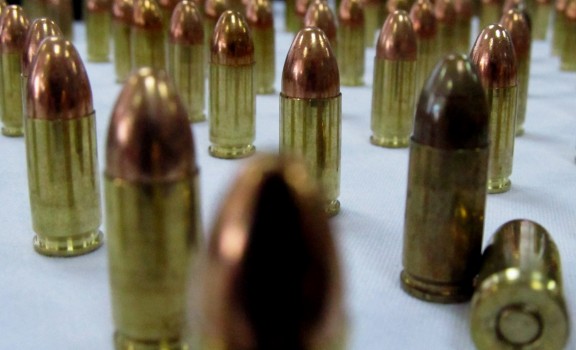
Choosing between full metal jacket (FMJ) and hollow point ammunition isn’t about which is “better,” but which serves your 7.62×39 Ammo for Sale immediate goal. For high-volume bulk practice, FMJ’s hardened lead core and copper jacket feed reliably and punch clean holes without excessive fouling, making it the economical workhorse for range proficiency. Hollow points, however, expand upon impact, transferring maximum energy—critical for personal defense or hunting where stopping a threat instantly matters more than cost. When buying bulk, prioritize FMJ for training to build muscle memory cheaply, but reserve a separate stash of hollow points for your carry or home-defense magazine. Your ammunition should match your mission: purpose dictates projectile performance, from target paper to a live threat.
Proper Storage Solutions to Keep Your Stockpile Reliable for Years
Keeping bulk ammunition reliable for years starts with controlling moisture—your #1 enemy. Store ammo in sealed, military-style ammo cans with rubber gaskets, and toss in desiccant packs to absorb any lingering humidity. Always add a moisture indicator card inside each can so you know when silica gel needs recharging. Keep cans off concrete floors; use wooden pallets or steel shelving to prevent condensation transfer and rust on primers. A cool, stable environment—ideally between 55–70°F—prevents powder degradation and primer breakdown. Avoid attics or garages with wild temperature swings. For long-term hoards, consider vacuum-sealing boxes in heavy Mylar bags before placing them in cans, adding an extra oxygen barrier. Rotate your oldest stock to the front, and label every can with the purchase date. Done right, your bulk ammo will fire as fresh as the day you bought it.
Controlling moisture and temperature to prevent corrosion and duds

Controlling moisture and temperature is the cornerstone of preventing corrosion and duds in bulk ammunition. Store primers and powder in a climate-stable environment, ideally between 55–70°F, to avoid thermal cycling that causes condensation inside sealed cases. Use desiccant packs in airtight ammo cans, replacing them when humidity indicators exceed 30%, as trapped moisture attacks brass cases and degrades propellant. Avoid basements and attics; a dedicated interior closet with a small dehumidifier offers the most reliable buffer. Stable temperature and low humidity prevent duds by preserving primer sensitivity and powder burn rate. Q: How 5.56 Ammo for Sale often should I check humidity levels? Inspect desiccant indicators monthly after seasonal shifts, as sudden temperature drops are the primary trigger for internal condensation and subsequent corrosion.
Using rotation systems to ensure you always shoot the oldest rounds first
A disciplined rotation system is the cornerstone of long-term bulk ammunition reliability. When you store ammunition in bulk, the oldest rounds are not inherently compromised, but they represent the most extended exposure to environmental variables. By physically organizing your stockpile so that newly acquired cases are placed behind existing inventory, you create a natural first-in, first-out flow. This ensures you always unpack from the front, systematically shooting the oldest rounds first, maintaining their functional viability through regular exercise. This practice prevents the buildup of a forgotten, aged reserve that might develop issues with primers or propellant over a decade. Ultimately, a simple shelf rotation protocol guarantees that your entire bulk investment remains uniformly fresh and dependable, eliminating waste and preserving consistent ballistic performance.
Smart Ways to Organize and Manage High-Volume Purchases
Smart bulk ammunition management starts with a per-caliber inventory log, tracking round counts, lot numbers, and purchase dates to avoid mixing batches that can affect accuracy. Store ammo in stackable, label-coded military-grade cans with silica gel packs, rotating older stock to the front for range use—this prevents corrosion and keeps your shooting consistent. Organize by frequency of use: keep daily-training calibers in quick-access shelf bins, while reserve or match-grade ammo stays sealed in a separate, clearly marked locker. **A simple “first-in, first-out” rule, paired with monthly tally checks, turns a chaotic stash into a dry, sorted arsenal.** Q&A: *“How do I track bulk ammo without spreadsheets?”* Use a magnetic whiteboard on your storage room door, updating counts every time you open a can—fast, visible, and zero tech failures when you’re loading up for a session.
How to divide large crates into manageable load-out boxes for different guns
Break down a bulk ammo crate by first separating rounds by caliber, then by load type. Designate a dedicated load-out box for each gun you own, labeling it with the firearm’s name and the specific cartridge it accepts. Use resealable, rigid plastic boxes with dividers to hold 50–100 rounds per compartment, preventing brass-on-brass rattling and quick inventory checks. For a rifle and a pistol sharing a range day, pack one box for the long gun and one for the sidearm, keeping bulk reserve sealed in the original crate. This pre-sorted system eliminates fumbling and speeds up reloading sessions. A simple grid layout—caliber on the lid, box number on the side—lets you grab the exact ammo needed without opening every container. Pre-sorted load-out boxes per firearm turn a heavy, disorganized crate into a portable, efficient range arsenal.
Keeping track of lot numbers and what that means for future purchases
When you buy in bulk, jotting down each box’s lot number transforms a vague stash into a traceable asset. Lot-specific purchase tracking lets you match future ammunition buys to the exact production run that performed flawlessly in your rifle. If a lot proves accurate or feeds reliably, you can request that same number from retailers or distributors, ensuring your next case replicates that performance. Conversely, if you encounter duds or pressure signs, you avoid reordering that batch. Keep a simple spreadsheet or notebook with the lot number, purchase date, and round count fired. Your future self will thank you when a proven lot becomes your gold standard. Then, before buying more, cross-check current stock against your list to decide whether to replenish or switch lots.
Effective Techniques to Test and Verify a New Bulk Order
When your pallet of bulk ammunition finally lands on the loading dock, resist the urge to just stack it. Pull five boxes from different corners of the shipment and weigh every tenth cartridge on a precision scale—a consistent grain weight is your first clue the lot is uniform. Then, chamber-check a few rounds in 5.7x28mm Ammo for Sale your actual firearm; if the bolt doesn’t close with the same smooth effort as your previous batch, you’ve caught a headspace issue before it bites. Fire a function test string of twenty rounds from a rested position, watching for pressure signs like flattened primers or sticky extraction. Compare the muzzle velocity from your chronograph against the manufacturer’s stated spec—a spread under 30 fps across those shots tells you the powder charge is stable, not just “good enough.” Only after that, load a full magazine and run drills, trusting the lot only if zero failures appear.
Sample sizes and grouping drills to confirm functionality before trusting it
Before committing to a bulk ammunition purchase, run functionality confirmation drills using a stratified sample from each box or lot. Pull five to ten rounds from different positions—top, middle, bottom—to catch fill inconsistencies or primer seating variations that surface only after handling. Then, conduct a grouping drill at your intended engagement distance: fire three five-round groups, resting between strings to prevent barrel heat from skewing results. A single flawless magazine does not prove the batch, only that particular handful of cartridges. Log the extreme spread and mean radius for each subgroup. If any group exceeds your accuracy threshold or shows keyholing, failure to extract, or erratic velocity, reject the entire lot rather than blending it with known-good stock. Sequence matters:
- random sampling across boxes
- cold-barrel group test each sample
- re-check with a second firearm if available
- verify consistency across all groups before trusting the bulk order for critical use
Only after this drill passes do you scale up to full-case storage.
What to look for when inspecting spent casings for pressure signs or defects
When inspecting spent casings from a bulk order, first check the primer for flattening or cratering around the firing pin strike, as pressure signs on primers indicate excessive bolt thrust. Measure the case head expansion with a caliper, comparing it to unfired samples from the same lot; any growth beyond 0.001 inches signals overpressure. Look for a bright, polished ring just above the extractor groove, which is a classic precursor to case head separation. Examine the case mouth for cracks or splits, especially after reloading. Finally, inspect the web area for a visible line or bulge. One nuanced sign is a sticky extraction, where the bolt lift feels slightly harder but shows no visible case damage—this often appears 7.62x54R Ammo for Sale before measurable expansion. Follow this sequence for consistency:
- Primer condition (flattening, cratering, or pierced)
- Case head diameter vs. reference dimension
- Extractor groove and web for bright rings or cracks
- Case mouth and shoulder for splits or stress fractures
